


Seekh kebab and tikka are iconic dishes in Indian cuisine, particularly associated with Mughlai and North Indian culinary traditions. Their histories are deeply intertwined with the cultural and political transformations of the Indian subcontinent—especially during the medieval Islamic period and the Mughal Empire.
SEEKH KEBAB Origin and Evolution
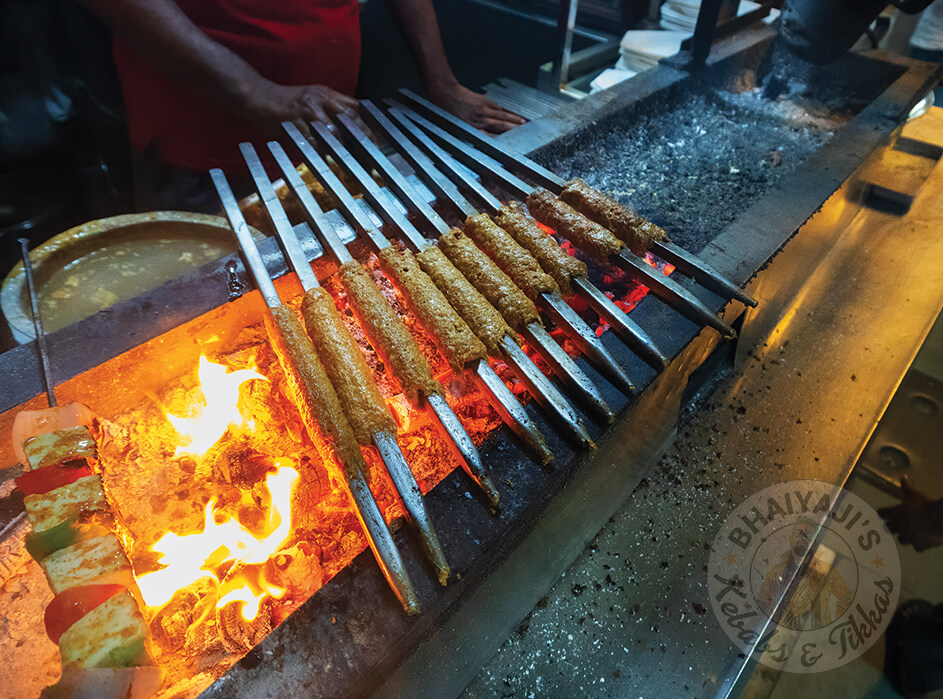
Meaning :
- “Seekh” means skewer in Hindi/Urdu.
- “Kebab” refers to meat that’s grilled, roasted, or cooked over fire.
Historical Background :
- Central Asian and Persian Influence : The concept of skewered meat grilled over fire has roots in Middle Eastern and Central Asian cuisine. It was likely introduced to the Indian subcontinent by Turkic and Afghan invaders, such as the Delhi Sultanate (1206–1526), and later refined under the Mughals (1526–1857).
- Mughal Innovation : Under the Mughals, kebabs were adapted to suit Indian tastes and spices. Seekh kebabs were traditionally made from minced lamb or beef, mixed with spices like garam masala, ginger, garlic, green chili, and coriander, then shaped around metal skewers and grilled in a tandoor (clay oven).
- Role in Royal Kitchens : Mughal emperors like Babur and Akbar were fond of kebabs, and their royal chefs experimented with marination, grilling techniques, and local spices, giving rise to variants like seekh kebab, shami kebab, and galouti kebab.
TIKKA Origin and Evolution
Meaning :
- “Tikka” means a small piece or chunk in Persian.
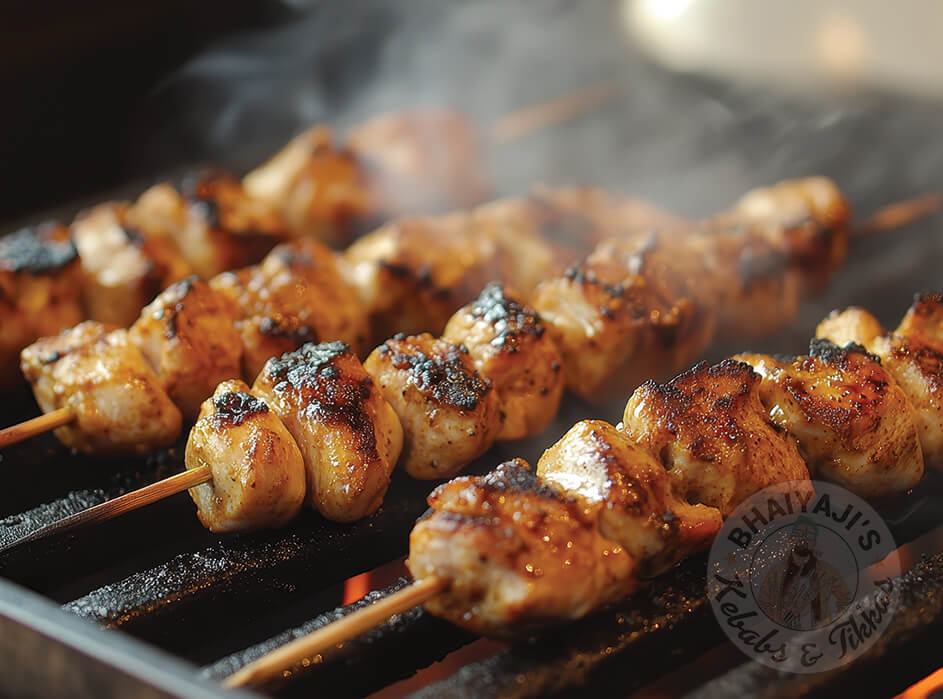
- Tikka generally refers to boneless meat pieces marinated in spices and yogurt, then roasted in a tandoor.
Historical Background :
- Persian Roots : Like kebabs, tikka also has Persian roots and was adapted into Indian cuisine through Muslim rulers.
- Tandoor Cooking: Although the tandoor existed in India since ancient times (e.g., Harappan civilization), the Mughals popularized it for cooking meat, especially tikka.
- Chicken Tikka : One of the most popular forms today, chicken tikka likely originated in Punjab during the Mughal era, where it was favored for its smoky flavor and tender texture.
- Colonial and Post-Colonial Era : In the British colonial era, chicken tikka gained more prominence and became a restaurant staple. Eventually, it even inspired dishes like chicken tikka masala, which is more British-Indian than traditional.
DIFFERENCES between the two
| Feature | Seekh Kebab | Tikka |
| Base ingredient | Minced meat (usually lamb or beef) | Whole chunks (often chicken) |
| Cooking method | Skewered and grilled in tandoor | Marinated chunks grilled or baked |
| Texture | Softer, spiced throughout | Juicy, with charred outer layer |
| Origin style | Central Asian/Persian to Mughal | Persian to Mughal, refined in India |
Cultural Significance :
- Both seekh kebab and tikka are prominent in North Indian, Pakistani, and Bangladeshi cuisines.
- Commonly served at weddings, festivals (like Eid), and street food stalls.
- Integral to Mughlai cuisine, which represents the rich, aromatic, and spice-laden legacy of the Mughal Empire.
MORE : Let’s explore both
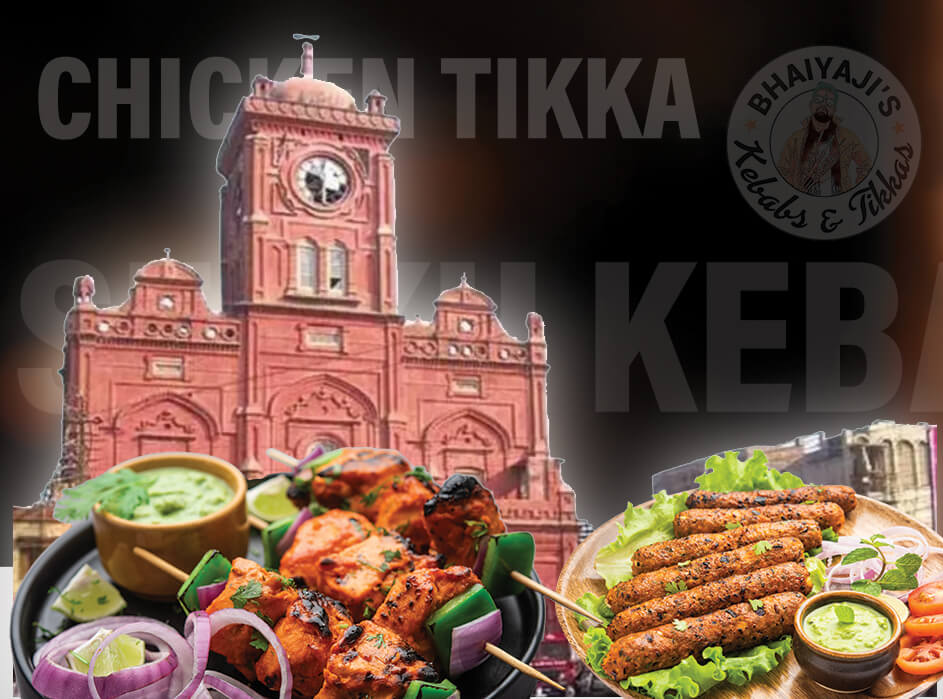
Meerut City : Culinary & Cultural Background
Meerut has been historically influenced by Mughal, Awadhi, and Delhi Sultanate traditions. Its location near Delhi, a long-time capital of Muslim rulers, allowed the culinary styles of the Mughals to extend into Meerut.
- Military Cantonment : The British era brought in a mix of cultures, and the large Muslim population in and around Meerut maintained and evolved the legacy of Mughal cuisine.
- The city has long been known for its bazaars, street food, and rich non-vegetarian dishes — especially kebabs, biryani, and korma.
- Traditional eateries, often run by families for generations, continue to serve recipes that date back to pre-independence or even Mughal times.
SEEKH KEBAB’S : Origin And History
Origins in Mughal India
- Seekh Kebab (literally “kebab on a skewer”) is believed to have been brought to India by Turkic and Persianrulers — especially during the Delhi Sultanate and Mughal era.
- The original form came from Central Asia and the Middle East, where meat was minced, spiced, and grilled over open flames.
Mughal Influence
- The Mughals refined kebab-making into a culinary art. They introduced rich marinades, complex spices, and grilling techniques that were adapted locally.
- Seekh kebabs in North India typically use minced mutton or beef, combined with onions, green chilies, coriander, and traditional garam masala, skewered on iron rods (seekhs), and grilled in a tandoor or over coals.
SEEKH KEBAB’S IN MEERUT : Local Agency
In cities like Meerut, which have strong historical Muslim communities and Mughal influence, Seekh Kebabs evolved into a street food staple, especially in old city areas like:
- Lal Kurti Bazaar
- Abu Lane
- Sadar Bazaar
Characteristics of Meerut-style Seekh Kebabs :
- Often spicier and more robustly flavored than Lucknow-style kebabs (which tend to be more delicate and aromatic).
- Served with rumali roti, green chutney, and onions.
- Made fresh and grilled in front of customers in live charcoal setups at roadside stalls.
FAMOUS PLACES IN MEERUT FOR SEEKH KEBABS :
(Historical & Modern)
Some iconic or locally famous places (some running for decades) :
- Pahalwan Kebab Corner – Known for spicy mutton seekh kebabs.
- Makkhan Singh’s Kebab Shop – Popular among locals for old-school flavors.
- Lal Kurti & Sadar Bazaar – Entire areas known for kebab and non-veg street food vendors.
(Note: The names and locations of vendors can change, and some may be informal, family-run setups without formal branding.)
CULTURAL IMPORTANCE
- For many families in Meerut, especially in Muslim communities, kebab-making is a generational skill, passed down and often reserved for special occasions like Eid, weddings, or Iftar during Ramadan.
- The tradition of meat-based grilling also aligns with the local availability of livestock and spices from Western UP.